
What Is an OTP Code?
An OTP, or One-Time Password, is a temporary verification code used to confirm that a person has access to a particular phone number, email address, device, or account.
You have probably encountered OTP verification when registering for a new account, signing into an existing service, confirming a transaction, or changing important account information. A website or app sends a short code to you, and you enter that code into the verification screen.
Unlike a permanent password, an OTP is normally designed to work for only one verification attempt or for a limited period. This makes it useful as an additional layer of account verification.
Explore Signival's SMS verification services
How Does OTP Verification Work?
The process is relatively simple from the user's perspective, even though several systems may be involved behind the scenes.
First, you provide a phone number during registration or another verification process. The website sends that number to its verification system.
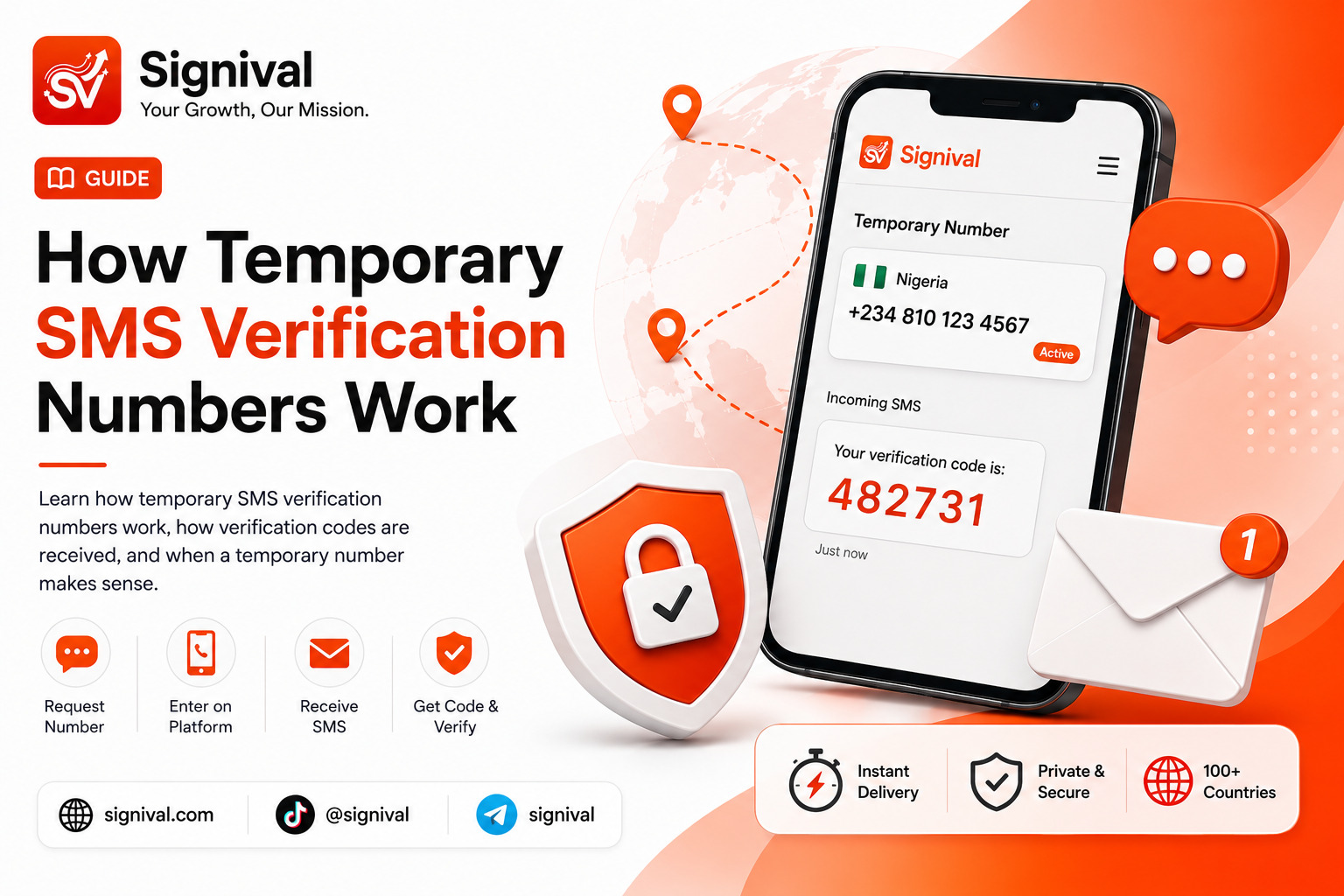
The verification system generates a temporary code and sends it to the phone number through an SMS gateway or another supported delivery channel.
You receive the message and enter the code into the website or application.
The service checks whether the submitted code matches the code generated for that verification request and whether it is still valid. If everything matches, the verification process is completed.
The entire process can happen within seconds when the messaging route is working normally.
What Does OTP Stand For?
OTP stands for One-Time Password. The name describes the main characteristic of the system: the code is intended for temporary verification rather than permanent authentication.
For example, a website might generate a code such as 482731. You enter that code during the verification process, and once it has been accepted or expires, it should no longer be useful for another verification attempt.
The exact format varies between services. Some use six-digit numbers, while others may use four-digit codes or combinations of letters and numbers.
Why Do Websites Use OTP Verification?
Websites use OTP verification for several different reasons, but the underlying purpose is usually to establish that the person completing an action has access to the communication channel associated with the verification request.
Account registration — A service may request an OTP when creating a new account to verify the phone number provided during registration.
Login verification — Some platforms use temporary codes as an additional authentication step when a user signs in.
Account recovery — An OTP can help verify access to a phone number when someone is recovering an account.
Important account changes — A website may request another verification step before allowing changes to sensitive account information.
Transaction confirmation — Financial and other services may use OTPs as part of a transaction confirmation process.
OTP Verification vs a Regular Password
A regular password is normally created by the user and remains valid until it is changed, reset, or otherwise invalidated.
An OTP is different. It is generated for a particular verification event and normally has a limited lifetime.
This distinction is important because an OTP is not intended to replace every form of account security. Depending on the service, it may be one component of a larger authentication process.
Why Do OTP Codes Expire?
OTP codes generally have an expiration period because they are intended to be temporary.
If a verification code remained valid indefinitely, an old code could potentially be reused long after the original verification request. A short validity period reduces the usefulness of an old code.
That is why waiting too long before entering an OTP can result in an error even when the code itself was entered correctly.
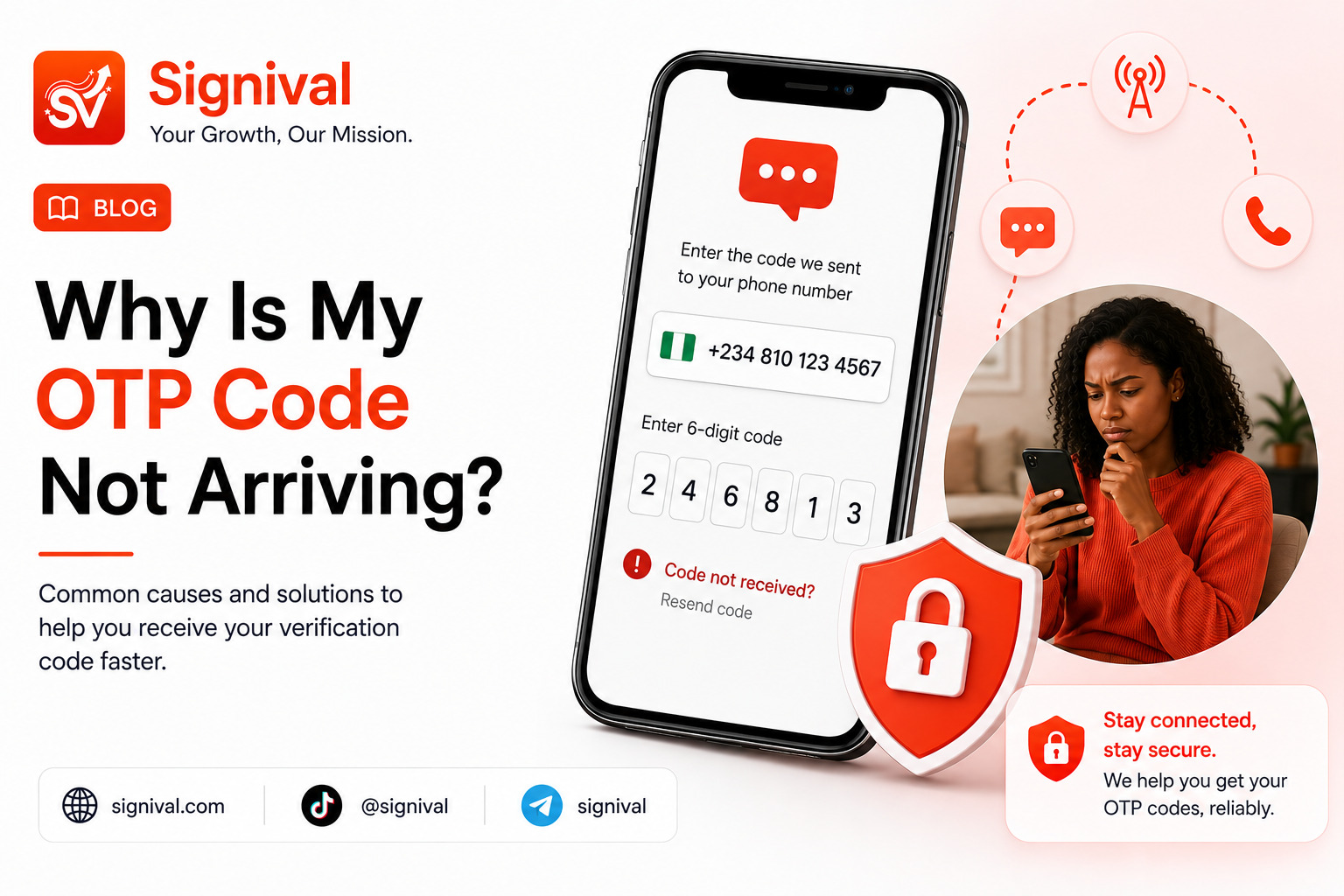
Why Is My OTP Code Not Arriving?
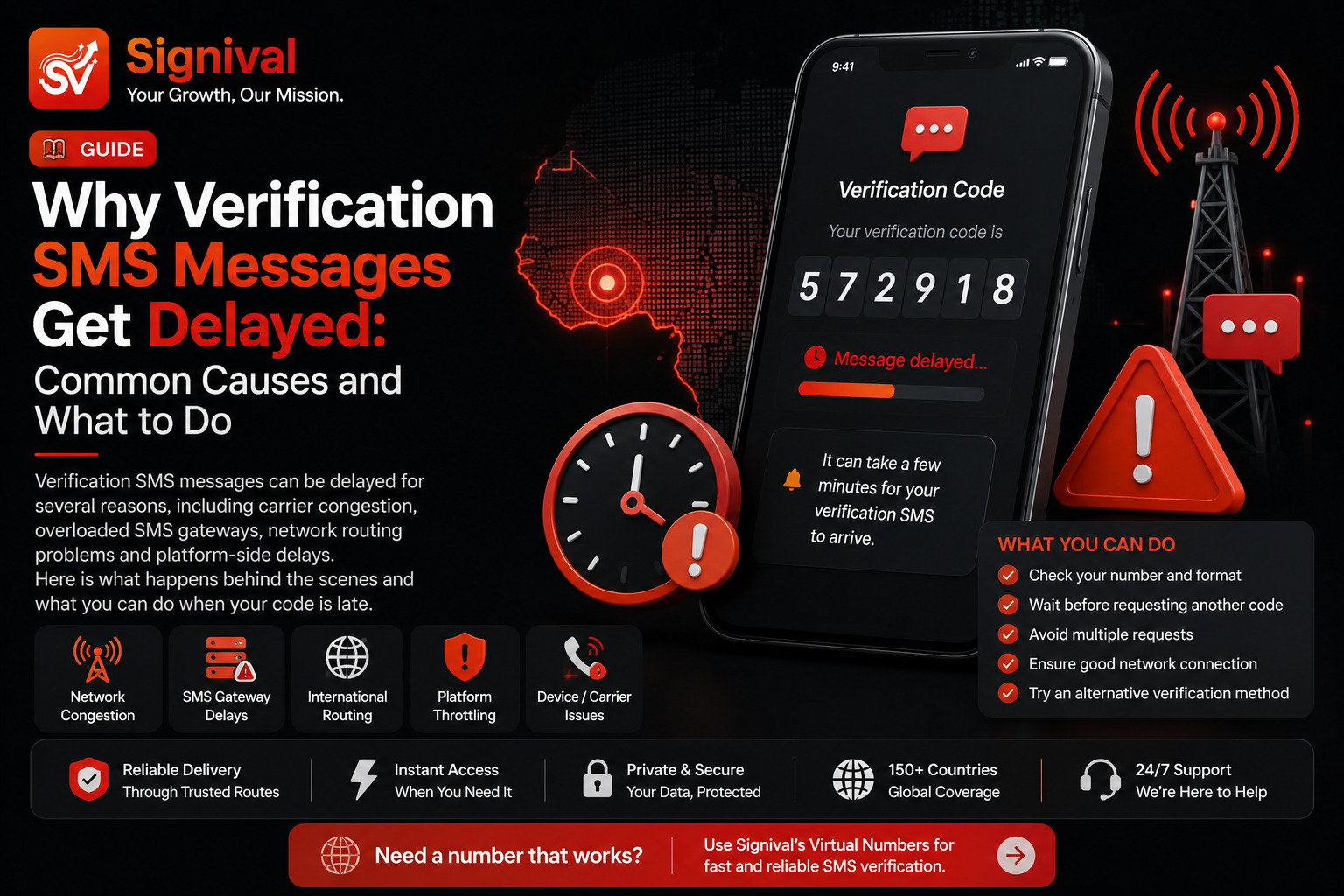
Not receiving an OTP does not necessarily mean that the website has failed to generate one. The message has to pass through several systems before it reaches your phone.
Common causes include carrier delays, temporary SMS gateway congestion, incorrect numbers, network problems, filtering, or restrictions affecting particular message routes.
If you have requested several codes, repeatedly requesting another one can also make the situation more confusing. Some services invalidate the previous code when a new one is generated.
Read: Why Is My OTP Code Not Arriving?
What Should You Do When an OTP Does Not Arrive?
Start by checking that the phone number you entered is correct, including the country code.
Next, wait for a reasonable amount of time before requesting another code. SMS delivery can sometimes take longer than expected.
If the service provides another verification method, such as email verification or an authenticator application, you may be able to use that instead.
If you continue experiencing delivery problems, check whether the service has restrictions on the type of number being used or contact its support team.
What Are Temporary Numbers Used for OTP Verification?
A temporary phone number can provide a separate number for services that require SMS-based verification. Instead of using your everyday personal number for every registration or verification request, you can use a dedicated number where the service supports it.
The availability and acceptance of temporary numbers vary by platform. Some websites accept particular number types while others may reject numbers associated with certain providers or previously used registrations.
Signival provides temporary numbers for supported verification services, allowing users to select available numbers and receive supported verification messages through the platform.
Explore available virtual numbers
Is an OTP the Same as a Verification Code?
In everyday usage, the terms are often used interchangeably.
A verification code is a general term for a code used to confirm an action or identity. OTP specifically describes a temporary password or code intended for limited or one-time use.
Therefore, many SMS verification messages contain an OTP, but not every verification system necessarily uses the exact same authentication mechanism.
Never Share an OTP With Someone Else
An OTP should be treated as sensitive information whenever it is being used to verify access to an account or transaction.
If someone asks you to send them an OTP that was sent to your phone, do not assume the request is legitimate simply because they know your name or other account details.
Websites and legitimate support teams generally have their own verification procedures and should not require you to disclose a private authentication code to another person.